
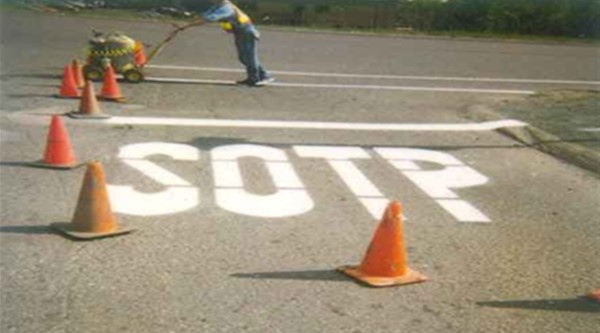
Image: Peter Cartus : Errare humanum est
Menschliche Fehler passieren. Sie folgen meist keiner erkennbaren Systematik. Trotzdem benötigen wir im Betriebsablauf Methoden, um Fehler durch Menschen möglichst unwahrscheinlich zu machen.
A blog by Dr. Uwe-Klaus Jarosch, Sptember 2025
All procedures and processes having humans activly involved we will see human errors happen.
Most of these errors or failures are not systematic. They happen mostly by chance.
Despite this observation there are possibilities and methods to make such errors more seldom, less probable.
Peter Cartus for years now is giving webinars and sessions on this topic. Main methods are collected on his webside.
He offers on-site support in case a company wants use his experience to trace back such events to the root causes.
In difference to statistically evident issues with influence from process scatter in process and product characteristics
human error in most human errors are isolated events.
Here we do not look on systematic issues – like bad inspection caused by a tired operator in the night shift.
We look for events like the painting on the road.
Causes for human errors
If there are methods to make human errors more unlikely to happen or even to fully avoid them then there must by a kind of system or rule for it.
Humans behave.
This is essential to make a common living and cooperation in work easier. Just like the public traffic rules.
Das macht das Zusammenleben und Zusammenarbeiten einfacher. So wie beispielsweise die Regeln im Straßenverkehr.
In einem Unternehmen gibt es vergleichbare Regeln, angefangen bei der Pflicht, sich auf der Treppe am Geländer festzuhalten und rechts zu gehen, über Termintreue-Regeln bis zu Sicherheitsanweisungen zum Arbeitsschutz oder zur IT-Sicherheit.

Do not stay under levitated loads
Humans tend to obay to rules only if there is a nudge to do so.
There are 2 important mechanisms:
On one hand the rules must be known. This can be achieved by frequent trainings and repetitions or by hints like signs or digital warnings.
On the other hand rules need to be checked for their use and compliance. Car drivers will much better follow the speed limit if there is a radar check known or announced.
If the boss is observing the break of a rule and is tolerating this behaviour then the rule is disabled. One part of leadership is to know, respect and demand compliance to rules.
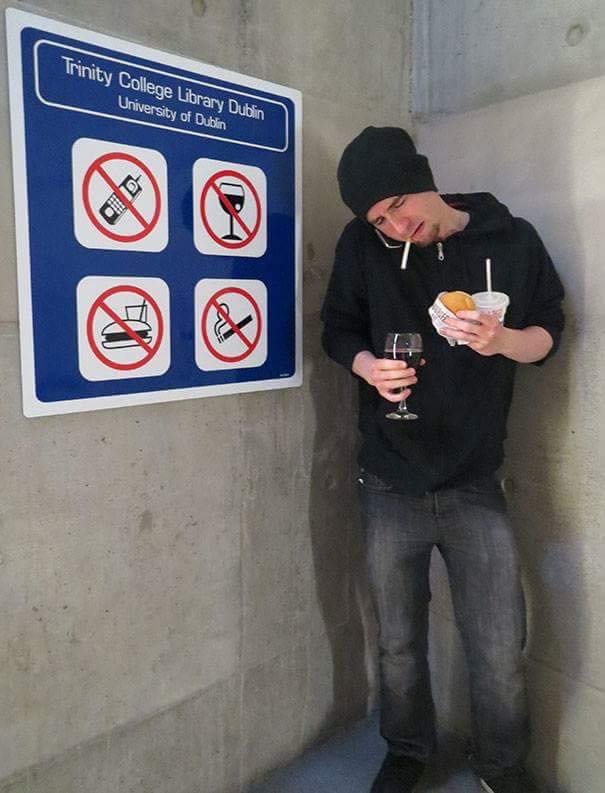
Humans break rules.
In most cases this is not maliciousness or not knowing. Rules can be a hinderness or they may be not appropriate in the current situation.
Then humans have the ability to decide a change for this situation and to perform accordingly. This will be a violation of the given rule.
If everything works find and the result is ok then nobody will cry.
If there is an unexpected event due to the change of rules, may be the active person or anybody nearby is harmed or the result is not ok then we here a loud cry.
In most cases now begins to search for the culprit.
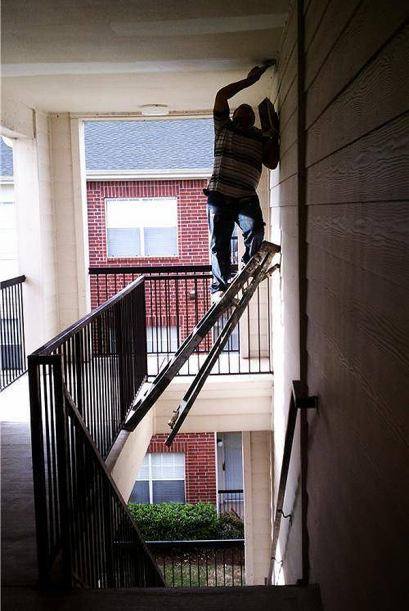
To search for a guilty person instead of searching for root causes of the rule violation is a problem of culture.
The topic “culture of failure” is much to mighty for this place of the blog. Please have some patience.
Peter Cartus clearly is discussing methods to find the systemic root causes of human single event failures.
The topic “culture of failures” is part of it.
Here only a short note: Neither by trainings nor by punishment of carelessness or accepted deviations the problem of repeated occurrence of such events is eliminated. To ask for systemic or cultural root causes typically does not give a an immediate, quick (and cheap) solution. This path takes persons into account who do not like to be involved.
Trouble makes inventive.
And trouble in many cases is caused at least partly by management decisions. “Inventions” = alignment of rules then is a way out – including the known special events.
You can find non fitting rules. People therefore bypass the rule. A meaningful countermeasure is to align the rule.
Denpending on the company’s culture employees are more or less motivated to push such a rule alignment.
Again, this is a task for leaders: Superiors are asked to support their associates by a well doing work environment, including well fitting rules.
Conclusions:
- Sometimes occurring human errors, reasonable by a “misbehaviour” need other types of problem solving than statistically significant, systemic errors.
- Humans behave a humans. That means trying to optimize the current situation. This will include a creative alignment or the bypassing of given rules, in some seldom cases with ugly consequences.
- To comply with given rules is a mayor task in leadership. If superiors do not follow the rules or accept noncompliance then the rule is disabled.
Non fitting rules need to be aligned. - Rules must be frequently checked to be meaningful and usable. This may be part of a systematic root cause analysis if such issues caused by humans have occurred.
- Deming has estimated about 90% of all human errors to be caused by systemic pitfalls.
Stay curious
Uwe Jarosch
Addition to the blog, dated March 18 2026
Today, I accidentially found a very impressive Video by Dr. Johan Bergström, Lund University, Sweden created in 2017. In this video the scientific view on errors by humans is explained with reference to 2 scientific ways of thinking:
- the congintive psychlogical school,
- the joint cognitive school.
Here you find the link to the Youtube Video.